
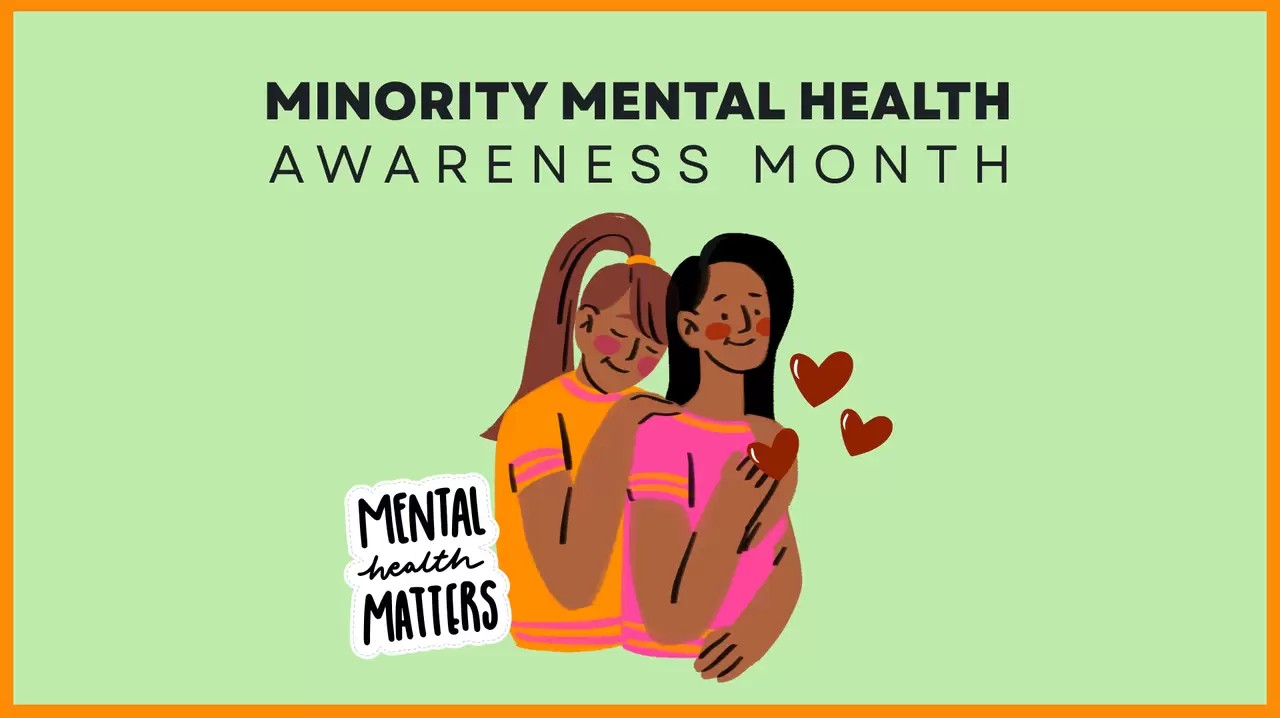
July is National Minority Mental Health Awareness Month, a time dedicated to shedding light on the unique mental health struggles faced by racial and ethnic minority communities across our country.
At Trinity Health System, as part of CommonSpirit Health, our mission is rooted in serving all people with compassion, dignity, and humankindness. We recognize that background, culture, and systemic barriers deeply impact how individuals experience healthcare—especially mental health.
Breaking Down the Barriers to Care
Mental health challenges do not discriminate, but access to compassionate, culturally responsive care is not always equal:
-
Black Adults: According to the Substance Abuse and Mental Health Services Administration (SAMHSA) National Survey on Drug Use and Health (NSDUH) data, while mental health conditions occur in Black adults at rates similar to the general population, only 38.5% receive mental health services each year compared to 57.9% of non-Hispanic White adults.
-
Hispanic & Latino Communities: Recent data from SAMHSA highlights that approximately 44.1% of Hispanic or Latino adults with a mental illness receive treatment. While improving, utilization continues to be hindered by deep-seated systemic navigation barriers and limited access to bilingual healthcare providers.
-
Asian American, Native Hawaiian, & Pacific Islander Communities: SAMHSA tracking confirms that Asian American communities experience the lowest rates of mental health service utilization among major demographic groups. Only 32.5% of Asian adults with any mental illness seek professional support, a disparity largely driven by cultural stigma and a shortage of culturally tailored care.
-
Indigenous & Native American Communities: High rates of historical trauma contribute to significant mental health and substance disparities within Indigenous and Native American communities. However, fewer than 30% of Indigenous adults with mental health needs receive care, heavily restricted by geographical isolation and an underfunded Indian Health Service network.
How We Practice Humankindness
We believe that health equity begins with meeting people where they are. Healing happens when patients feel seen, heard, and understood by providers who respect their unique lived experiences.
-
Fostering Open Conversations: Stigma remains one of the largest obstacles to seeking help. Normalizing conversations around mental wellness in every community saves lives.
-
Connecting You to Support: Whether you are navigating stress, anxiety, depression, or complex trauma, you do not have to carry it alone. Our team is dedicated to providing holistic, compassionate care tailored to you.
If you or a loved one are struggling, reach out to a professional or contact the National Suicide and Crisis Lifeline by calling or texting 988 (available 24/7).
Together, let’s build a healthier, more compassionate community for everyone.