
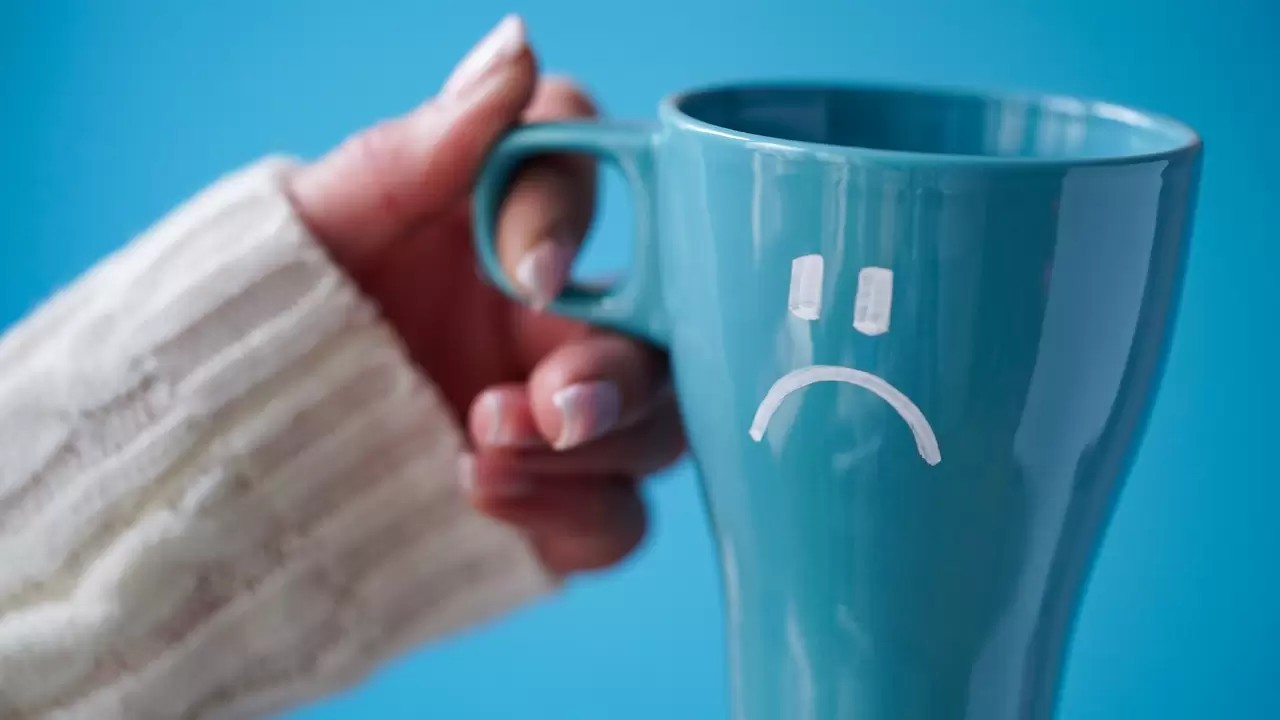
When the days turn colder and darker, many people notice shifts in their mood or energy. It’s easy to blame it on the weather or to think you’re just dragging after a busy December. But while lingering holiday stress can play a small role, some people experience a more noticeable change in how they feel at this time of year. The reason behind that change may be seasonal affective disorder.
Seasonal affective disorder, or SAD, is a form of depression that follows a seasonal pattern, most often showing up in late fall and winter, although it can occur at other times of the year. It may get overlooked because its symptoms can be attributed to just feeling rundown, having low motivation or not being a “winter person.” Or you may believe it’s normal to feel this way every year when the weather changes. But seasonal affective disorder is more than a dislike of cold days. It impacts how you feel, think and function.
Click here to learn more about the symptoms of SAD and treatment options.