
In the New Year, let’s resolve to sleep more.
Tossing and turning at night? Poor sleep can sneak up on you, starting with a few restless nights and turning into a pattern that affects how you feel every day. While it may seem like no big deal at first, missing out on quality sleep can take a real toll on your body and mind. But the good news is that once you figure out what’s getting in the way of your rest, you can take steps to turn things around.
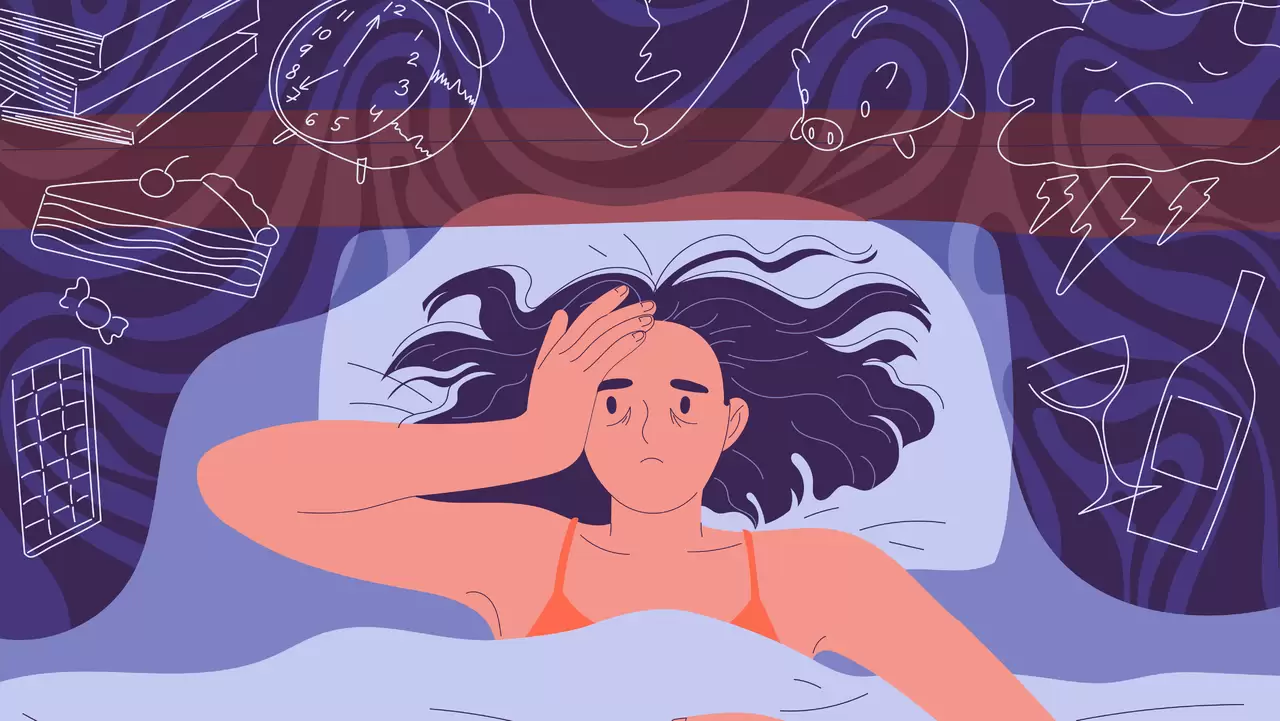
There are many reasons why sleep gets disrupted. Stress is one of the most common. When your brain is stuck in “go” mode, it’s hard to shut down at night. Worry about work, family or health can keep your mind racing long after you get into bed.
Your daily habits play a big role, too. Screen time right before bed makes it harder for your brain to wind down. The blue light from devices can throw off your body’s internal clock, making it harder to feel sleepy. Drinking caffeine late in the day or having alcohol in the evening can also cut into your sleep. Even your bedroom environment matters. If your room is too bright, too warm or noisy, your brain may not relax fully.
Physical issues can also interfere with sleep. Conditions like sleep apnea, acid reflux or chronic pain make it tough to stay asleep. Hormone changes during menopause can also trigger night sweats or hot flashes that make rest harder.
If you want to sleep better, click here for some simple changes that can make a big difference.